
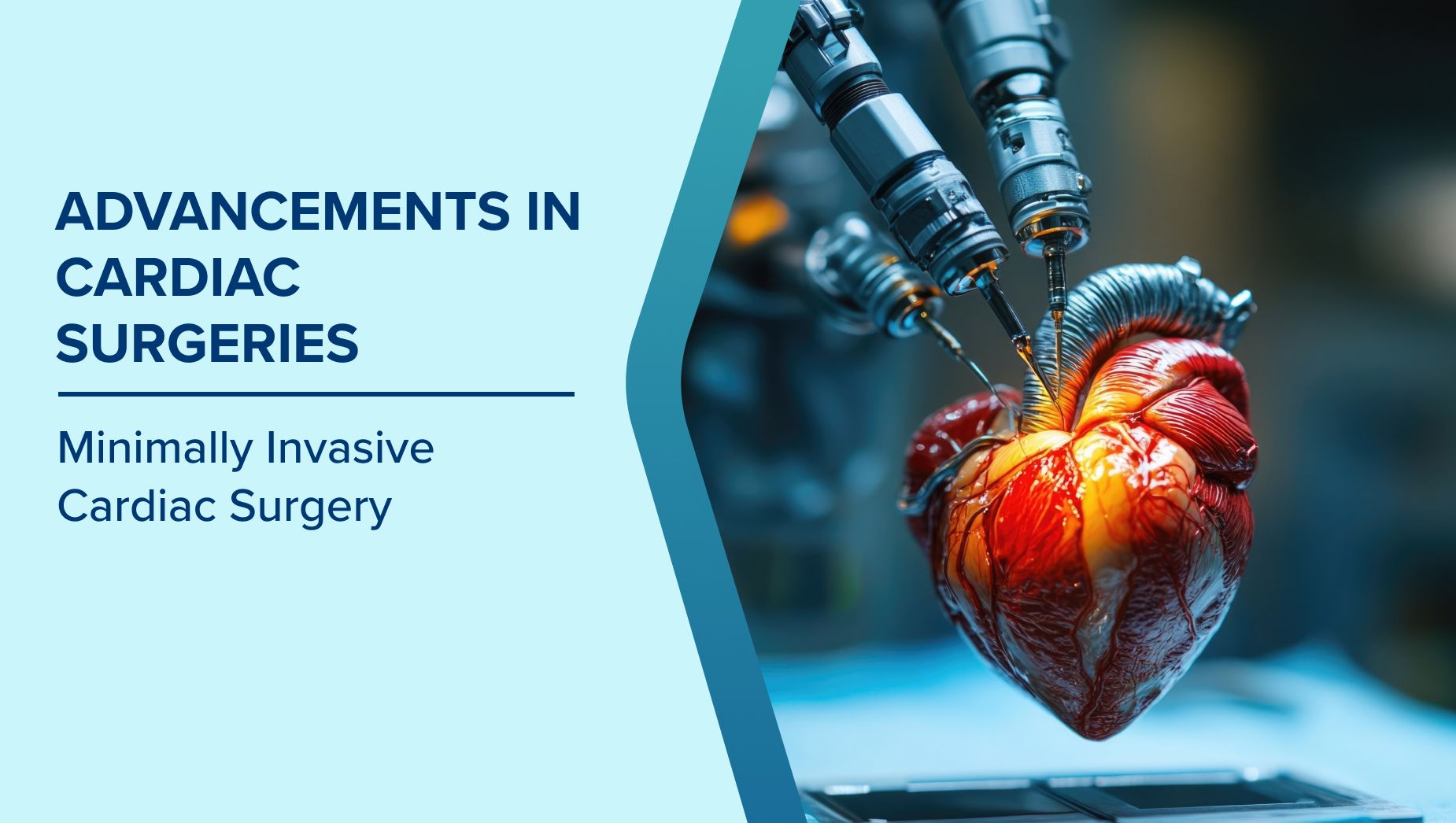


Cardiac surgery has traditionally been associated with large chest incisions, long hospital stays, and extended recovery periods. However, medical innovations are changing this perception. One such advancement is Minimally Invasive Cardiac Surgery (MICS), which offers patients quicker recovery, reduced pain, and improved cosmetic outcomes.
What is Minimally Invasive Cardiac Surgery?
Minimally Invasive Cardiac Surgery involves performing heart procedures through a small incision on either the left or right side of the chest. Unlike conventional open-heart surgery, which requires cutting through the breastbone (sternum), this technique avoids extensive bone cutting. Many cardiac procedures can now be safely and effectively performed using MICS, making it a suitable alternative for a wide range of patients.
Key Advantages of Minimally Invasive Cardiac Surgery
Faster Recovery
In traditional cardiac surgery, hospital stays often last five to seven days. With MICS, patients may be discharged in just three to five days. Intensive Care Unit (ICU) stays have also shortened from two to three days to often just overnight, allowing patients to move to regular rooms the following day.
Reduced Blood Requirement
MICS generally requires fewer blood transfusions compared to conventional surgery, lowering the potential risks associated with transfusions.
Improved Cosmetic Results for Women
For female patients, the incision is usually made underneath the breast, making scars almost invisible. This approach offers significant cosmetic benefits and enhances post-surgery confidence.
Quicker Return to Work for Younger Patients
Smaller incisions and faster recovery mean younger patients can resume work and daily activities sooner than with traditional surgery.
Safer for Senior Citizens
Elderly patients benefit from smaller incisions, which reduce complications and promote faster physical and emotional recovery. Concerns related to prolonged scar healing, commonly seen in older adults, are also minimised.
Suitable for a Wide Range of Heart Conditions
Minimally Invasive Cardiac Surgery is applicable to many heart conditions, including valve replacement, coronary artery bypass grafting (CABG), and congenital heart disease, provided the patient is carefully evaluated by their medical team.
Conclusion
If you or a loved one requires cardiac surgery, it is worth discussing Minimally Invasive Cardiac Surgery with your doctor. This technique offers all the benefits of traditional surgery with additional advantages such as faster recovery, less pain, reduced hospital stay, and improved cosmetic outcomes.
With these medical advancements, heart surgery has become far less intimidating. Patients can anticipate a faster, smoother, and more comfortable recovery.