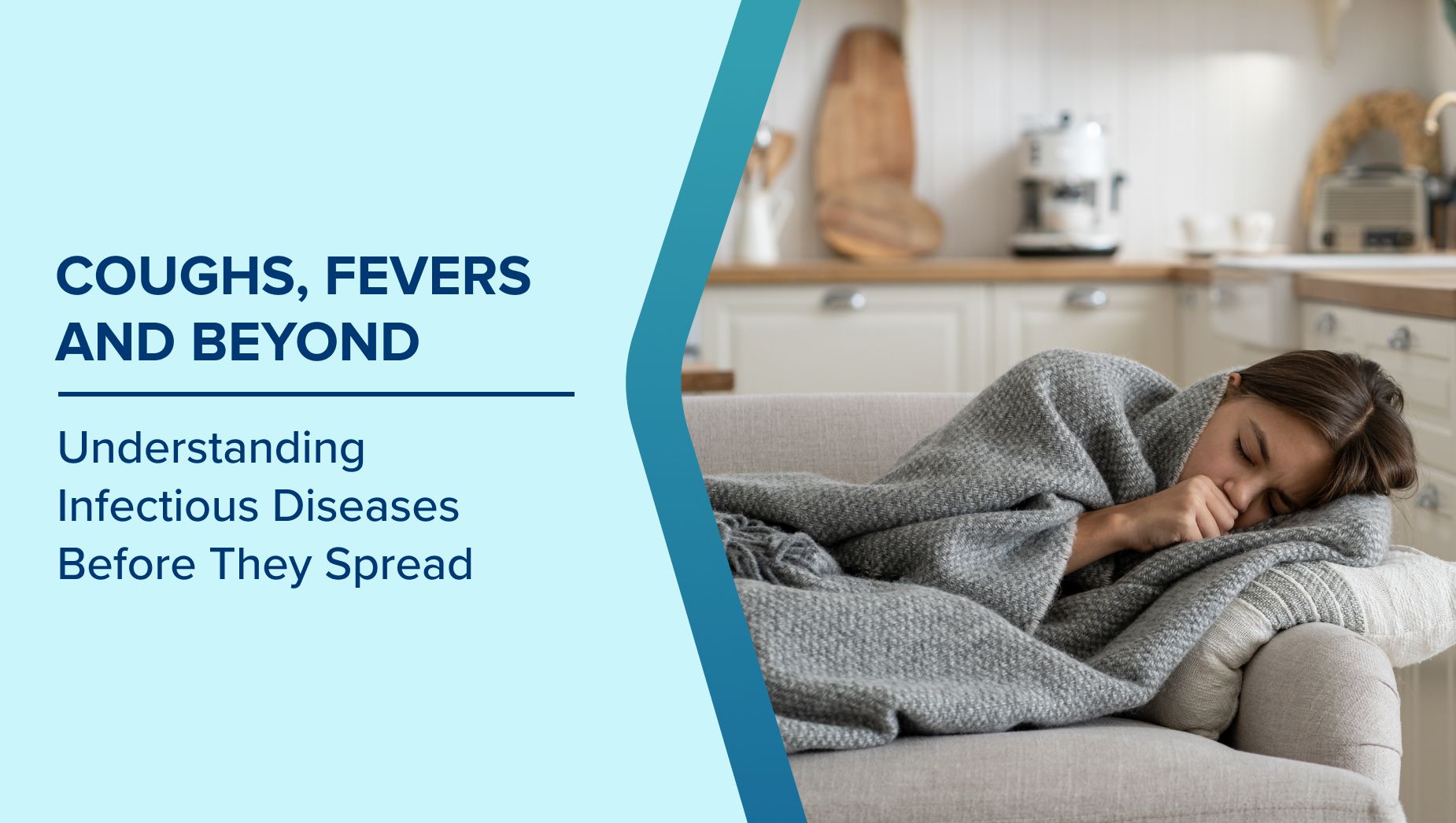

Infectious diseases continue to be a major concern worldwide. From mild coughs to severe illnesses, understanding the signs, symptoms, and preventive measures is crucial. Being aware of early warning signs of diseases can help you take timely action, protect your health, and reduce the risk of spreading infections to others.
What Are Infectious Diseases?
Infectious diseases, also called contagious diseases, are caused by harmful microorganisms such as viruses, bacteria, fungi, or parasites. These pathogens can spread from one person to another, through contact, air, water, food, or insects. Some infectious diseases are mild, while others can become life-threatening...
Common modes of transmission include:
Direct contact with an infected person
Airborne droplets from coughing or sneezing
Contaminated food or water
Insect bites, such as mosquitoes spreading dengue or malaria
Contact with contaminated surfaces
Common Infectious Diseases and Their Symptoms
Influenza (Flu)
Influenza is a viral infection that affects the respiratory system. It spreads easily through droplets when an infected person coughs or sneezes.
Symptoms include:
Fever and chills
Sore throat
Runny or stuffy nose
Body aches and fatigue
Cough
Prevention: Annual flu vaccination, hand hygiene, and avoiding close contact with sick individuals.
Common Cold
Rhinoviruses usually cause the common cold. Though mild, it is highly contagious.
Symptoms include:
Sneezing and a runny nose
Mild fever
Sore throat
Mild cough
Fatigue
Prevention: Frequent hand washing, using tissues, avoiding touching the face, and staying away from crowded places during outbreaks.
COVID-19
The SARS-CoV-2 virus causes COVID-19 and can range from mild to severe. It spreads through respiratory droplets and contaminated surfaces.
Symptoms include:
Fever and cough
Shortness of breath
Loss of taste or smell
Fatigue and body aches
Sore throat
Prevention: Mask wearing, hand hygiene, social distancing, vaccination, and avoiding crowded indoor spaces.
Gastrointestinal Infections (Foodborne Illnesses)
Foodborne infections occur due to bacteria, viruses, or parasites in contaminated food or water.
Symptoms include:
Nausea and vomiting
Diarrhea
Abdominal cramps
Fever
Prevention: Wash hands before eating, cook food thoroughly, drink safe water, and avoid unhygienic street food.
Tuberculosis (TB)
Tuberculosis (TB) is a bacterial infection that primarily affects the lungs but can spread to other organs. It is transmitted through airborne droplets.
Symptoms include:
Persistent cough lasting more than two weeks
Coughing up blood
Night sweats and fever
Weight loss and fatigue
Prevention: Early diagnosis, wearing masks in crowded areas, proper ventilation, and completing prescribed antibiotic courses.
Early Warning Signs of Infectious Diseases
Recognising early warning signs can prevent complications and further spread:
Persistent fever or chills
Sudden fatigue or weakness
Unexplained body aches
Persistent cough or shortness of breath
Skin rashes or unusual lesions
Nausea, vomiting, or diarrhoea
Prevention Tips for Infections
Effective infection control starts with simple measures:
Wash your hands regularly with soap and water
Avoid close contact with sick individuals
Keep vaccinations up to date
Practice respiratory hygiene, like covering your mouth when sneezing
Maintain a clean home and work environment
Eat a balanced diet to strengthen immunity
These steps not only protect you but also reduce the risk of spreading infections to family and community members.
When to See a Doctor
While some infections are mild and self-limiting, immediate medical attention is needed if you experience:
High or persistent fever
Severe cough or difficulty breathing
Blood in vomit or stool
Persistent pain or weakness
Rapid worsening of symptoms
Consulting a healthcare professional ensures proper diagnosis, treatment, and prevents complications.
Conclusion
Infectious diseases can range from mild to severe, but early recognition and prevention make a huge difference. Understanding symptoms of infection, early warning signs of diseases, and preventive measures is key to maintaining good health. Practising hygiene, staying informed, and consulting doctors when needed protects you and your loved ones.
Stay aware, act promptly, and prioritise your health to minimise the risk of infections.
Frequently Asked Questions
What is the difference between viral and bacterial infections?
Viruses cause viral infections and often resolve on their own, though vaccines can prevent them. Bacteria cause bacterial infections and may require antibiotics for treatment.
How can I tell if my infection is contagious?
Contagious infections usually spread through close contact, respiratory droplets, or contaminated food and surfaces. Always practice hygiene to prevent transmission.
Can infectious diseases be prevented through diet?
A balanced diet boosts immunity, but cannot replace hygiene, vaccines, and preventive measures. Nutrition supports your body’s ability to fight infections.
Are children more vulnerable to infectious diseases?
Yes, children have developing immune systems and may be more susceptible. Vaccination, hygiene, and monitoring symptoms are essential.
How important is vaccination in preventing infections?
Vaccines are one of the most effective tools to prevent viral and bacterial infections. Staying up to date on immunisations protects both individuals and communities.